The complete guide
LLM optimization (LLMO)
ChatGPT, Gemini and Claude have already formed an opinion about your brand. LLM optimization — LLMO — is the discipline of shaping that opinion: what the models know, what they say, and whether they recommend you.
Published by Krister Ross · Updated July 2026
On this page
In short
LLM optimization (LLMO) is the work of influencing how large language models describe, assess and recommend your brand. Models form their picture of you from training data and live retrieval — so LLMO works on both: making the web's description of you consistent and authoritative, and making your own content easy to retrieve and cite. LLMO overlaps with AEO and GEO; the distinct focus is the model's underlying knowledge of your brand as an entity.
What is LLM optimization?
A large language model does not look your brand up in a database. It has a compressed picture of you, learned from everything written about you across the web — and it fills gaps with retrieval when it answers.
That picture can be accurate, outdated or empty. LLMO is the practice of auditing what models believe about you, correcting the sources that shaped it, and feeding the ecosystem the consistent, verifiable facts you want the next model version to learn.
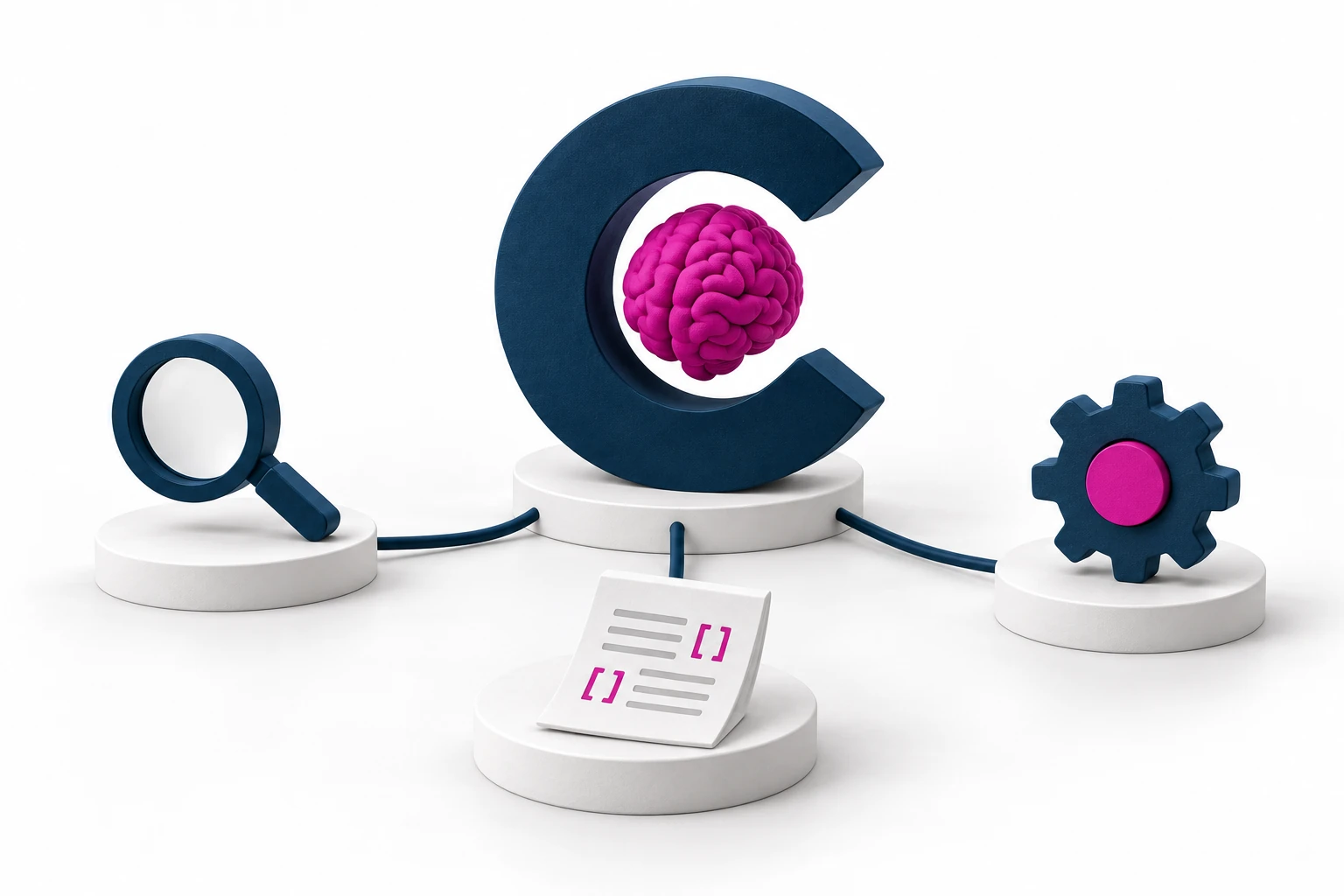
The three channels LLMO works through
Everything a model knows about you arrived through one of these.
Training data
Live retrieval
Entity signals
The LLMO work list
- Audit: ask the major models what they know and recommend in your category
- Correct: fix outdated or wrong facts at the sources models learned them from
- Strengthen: publish clear, citable content on the questions that matter
- Structure: schema markup and consistent entity data across the web
- Earn: coverage in the publications and directories models trust
- Monitor: track mentions, sentiment and citations across model versions
Frequently asked questions about LLMO
The questions we hear most often.
Large Language Model Optimization — the work of influencing how models like ChatGPT, Gemini and Claude describe and recommend your brand, through both their training data and live retrieval.
They overlap heavily. AEO optimizes for being the answer in AI search, GEO for visibility in generative engines, and LLMO focuses on the model's underlying knowledge of your brand as an entity. In practice one program covers all three.
Yes, on two horizons: live retrieval reacts within weeks when your content and citations improve, and the model's baseline picture updates when new model versions train on the improved web footprint.
Measure it: run your category's key questions through the major models on a schedule and track mentions, descriptions, sentiment and citations over time. The AI Monitor module in CitationLab AI Marketing Manager automates exactly this.
Free for business associations
See AI search in action
In our talk, we demonstrate the difference between Google and AI search with real examples. See how your industry is affected.
Find out what the models believe about you
Was this page helpful?